
Problem: Why many energy projects fail where a robust energy storage power station should succeed
I still remember standing beside a dusty 5 MWh modular lithium-ion BESS at an Austin municipal substation in March 2021—operators were sweating and so was the battery. In that rollout the battery storage power station (installed with a string inverter and LG Chem modules) cut peak demand charges by 18%, but chronic SOC imbalances and a flaky thermal design kept costs high and downtime frequent—what went wrong, given the data? The short answer: installers and specifiers fixate on headline specs (capacity, round-trip efficiency) and miss hidden user pain points like maintenance access, cell-level mismatch, and slow software updates. I’ve seen grid services curtailed because a BESS had no spare inverter racks on-site; we spent three weeks waiting for parts. That delay cost the utility roughly $12,000 in unserved arbitrage revenue—a tiny number for some firms, but painful for municipal budgets. (Lesson: specifications without human workflows are optimistic.)
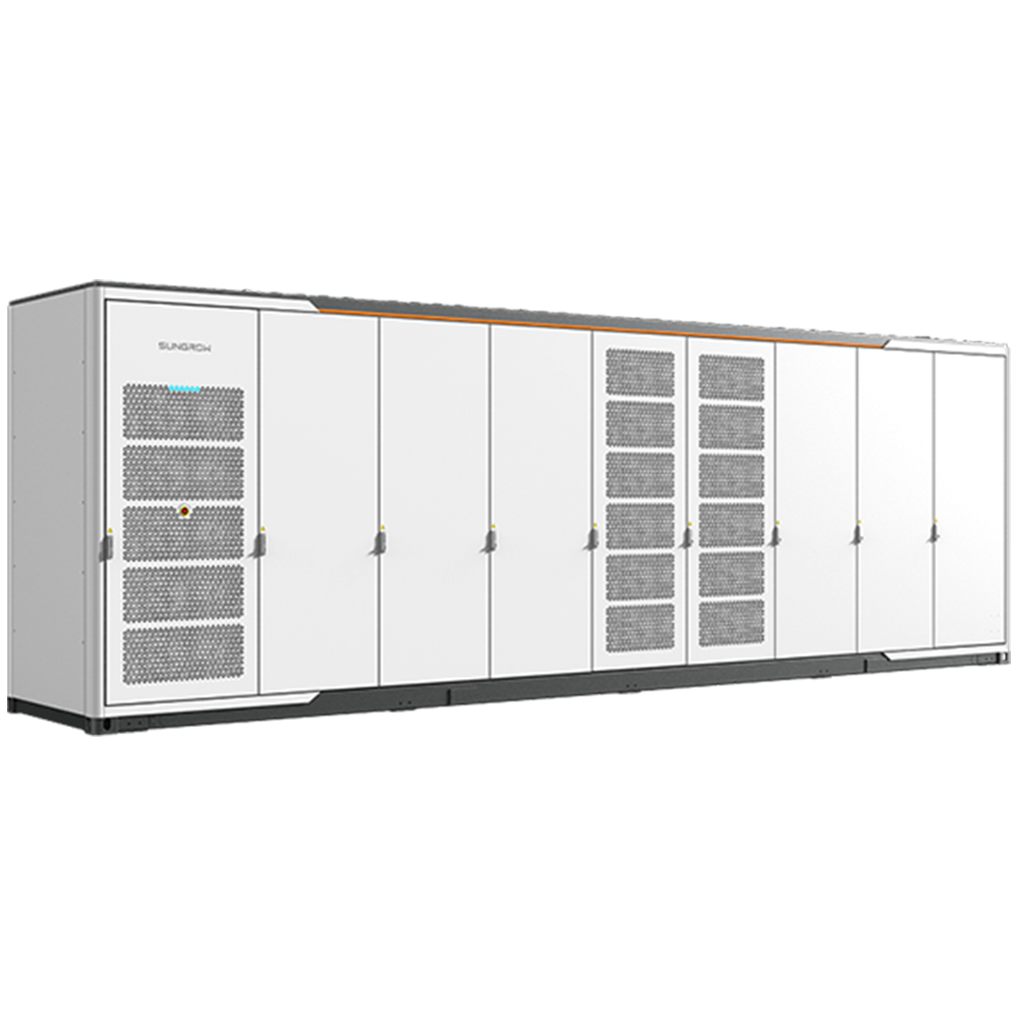
How deep is the friction?
Root causes I see often — and what users quietly complain about
I’ve been buying, designing, and troubleshooting BESS for over 15 years in the B2B supply chain, and a few concrete failures repeat: undersized cooling, opaque battery management systems, and contracts that ignore lifecycle costs. One rooftop project in Houston in 2019 used a compact pack rated for C‑rate bursts, but the thermal layout choked after the first summer—cells aged faster and warranty claims skyrocketed. Customers don’t complain about capacity; they complain about unpredictability on hot days. I call this the “operational gap”: engineers deliver specs, operators inherit surprises. We need to address maintainability, remote diagnostics, and firmware paths—simple things that fix the biggest pain points. Quick note—operators often call me at odd hours. I answer. Here’s the next part.
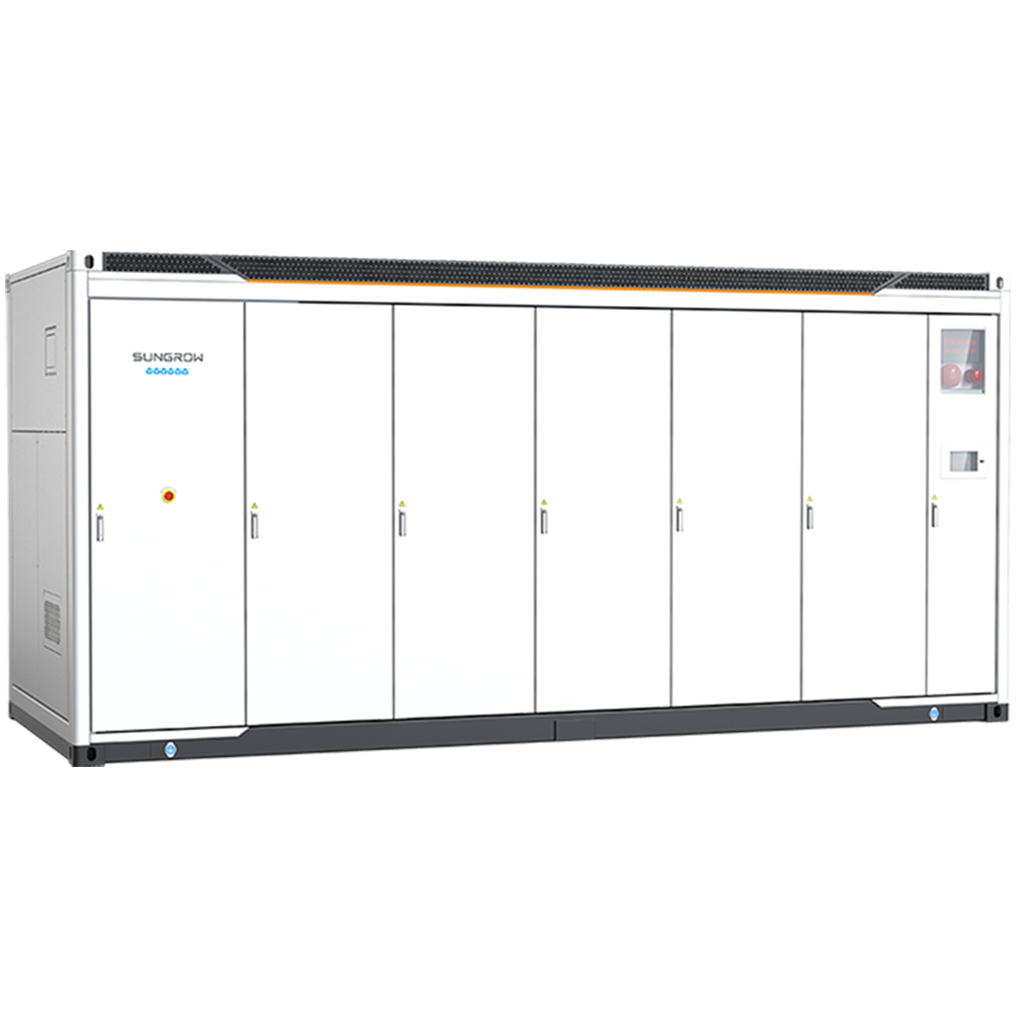
Forward-looking: What the next generation of energy storage power station deployments must prioritize
Bold claim: the next decade will reward systems designed around operability, not just specs. For me that means modular racks that allow hot-swap inverter replacements, clearly documented cell balancing strategies, and SOC-aware dispatch logic that preserves calendar life. When I evaluated an updated system in late 2023, the vendor’s firmware cut balancing currents by 40% and extended useful cycle life estimates—this matters. The energy storage power station I reviewed had integrated DERMS signals and a fast RMA path; the result was fewer prolonged outages and cleaner ROI statements.
Real-world impact?
Practical metrics I use when advising buyers (three things I always push)
I advise buyers to focus on three measurable evaluation metrics: 1) Mean Time To Replace (MTTR) for power electronics—target under 48 hours, 2) Verified cycle degradation curve at site temperatures (not lab averages), and 3) the vendor’s firmware update policy and rollback path. I’ll add one more — total cost of ownership across 10 years with modeled replacement events—don’t trust a single-year glance. These metrics cut right through marketing talk and show how a design performs under real stress. We did this for a municipal fleet in Phoenix in June 2022; modeling showed a different vendor would save them $250k over ten years. Surprising? Maybe. Useful? Absolutely. Oh — and ask for spare racks. Seriously.
To wrap: choose systems that account for human workflows, plan for spare parts, and verify software support. I keep watching vendors and field data—one that consistently checks these boxes is sungrow. If you want, I’ll share a short checklist next.
